

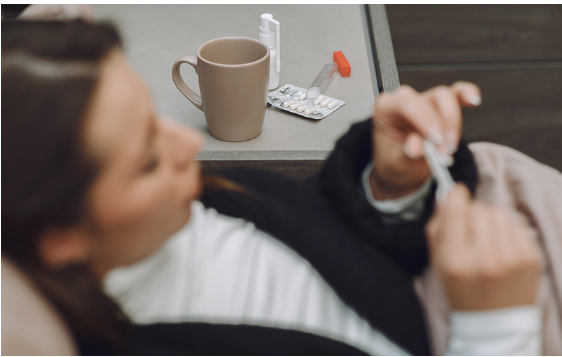

Recovery after abdominal surgery often involves limited movement, discomfort when bending or twisting, and a need for plenty of rest. Whether you are having a tummy tuck in Singapore, a hernia repair or another abdominal procedure, preparing your home before the operation can make the first few weeks easier to manage. Small changes made in advance can reduce strain on your core, lower the risk of falls and help you follow your surgeon’s instructions once you are home.
Set Up a Recovery Area
Many patients are advised to rest with the upper body slightly raised and the knees bent in the early days. Setting up a dedicated space before surgery can help, with arrangements like these:
- A recliner or bed with enough pillows to support a semi-upright position.
- Extra pillows to place under the knees and reduce tension on the abdomen.
- A recovery area on the same floor as the bathroom, if possible.
- A side table at arm’s height so you do not need to twist or stretch.
- A phone charger and extension cord placed within easy reach.
- A light blanket, as some patients feel cold while resting after surgery.
Keep Essentials Within Reach
Bending, lifting and reaching overhead can strain the incision area. Before your procedure, it helps to move frequently used items to waist height, including the following:
- Medications, prescriptions and a written schedule for taking them.
- Water bottles, light snacks and tissues.
- Toiletries, wound care supplies and spare dressings, if advised by your surgeon.
- Remote controls, books or devices to pass the time.
- A small bag or basket to carry items between rooms.
Prepare Clothing and Compression Garments
Loose, soft clothing makes dressing easier when movement is limited. Patients recovering from liposuction in Singapore alongside a tummy tuck are often asked to wear compression garments for several weeks, so it is worth preparing items such as these:
- Front-opening tops and loose pants with elastic waistbands.
- Slip-on shoes that do not require bending to fasten.
- At least two compression garments, so one can be worn while the other is washed.
- Soft layers to wear under garments if your surgeon allows them.
Moving Around the House
Getting in and out of bed, using the toilet and showering can be harder in the first week or two. Simple adjustments can reduce strain and lower the chance of falls, such as these:
- Clearing walkways of rugs, cables and clutter.
- Installing a raised toilet seat or grab rails where needed.
- Placing a non-slip mat and shower chair in the bathroom.
- Keeping night lights along the route from the bed to the bathroom.
Plan Meals and Household Help
Cooking, cleaning and lifting may be off-limits for some time. Arranging support ahead of surgery can take some of the pressure off, through steps like these:
- Preparing and freezing simple meals before your procedure.
- Stocking up on high-fibre foods and fluids to help with constipation, which can occur after anaesthesia and pain medication.
- Asking a family member or friend to stay with you for the first few days.
- Arranging help with children, pets, laundry and grocery shopping.
- Organising transport for follow-up appointments.
Prepare for Wound Care and Check-Ups
Your surgeon will give specific instructions on caring for incisions and drains, if any are used. Keeping a notebook to record medication times, drain output and any questions can make follow-up visits easier. Before discharge, ask which signs should prompt an urgent call to the clinic.
Settling In for Recovery
Preparing your home before abdominal surgery allows you to focus on rest and healing once you return. Setting up a recovery space, keeping essentials within reach and arranging help in advance can make the early weeks more manageable. Always follow your surgeon’s specific advice, and contact the clinic promptly if you notice increasing pain, fever, redness or unusual swelling.
Planning abdominal surgery soon? Contact Shens Clinic for a recovery checklist before your procedure