


Introduction
Gut health has become one of the most talked-about health issues in the last few years, and for good reason. The digestive system does more than just break down food; it also plays a big part in immunity, metabolism, mental health, and general health. Learning how to make your gut healthier might change how your body works from the inside out. When the gut is in balance, the body has more energy, the mind is clearer, and long-term pain starts to go away.
Many people have had their gut equilibrium discreetly upset by modern lives, processed meals, stress, and irregular routines. People frequently think of digestive disorders as separate issues, although they are usually signs of bigger problems in the gut ecology. It is possible to bring back balance and unlock long-term health by naturally supporting gut health.
Learning about the Gut and What it Does in the Body
The gut is mostly made up of the gastrointestinal system, which comprises the stomach, small intestine, and large intestine. The gut microbiome is a complicated colony of trillions of microorganisms that exist inside this system. These bacteria, fungi, and microorganisms work together to break down food, make vitamins, control inflammation, and keep hazardous germs from getting in.
A healthy gut microbiome keeps the right amount of good and bad bacteria in the gut. When this equilibrium is thrown off, digestion slows down, the body absorbs less nutrients, and inflammation rises. Over time, having a bad gut can make you gain weight, have emotional issues, skin problems, allergies, and a weaker immune system.
The first step to how to improve gut health is to realize that the gut is not separate from the rest of the body. The gut-brain axis connects the gut and the brain directly. This means that emotional stress can make digestion harder, and digestive disorders can make mental health worse.
Signs that Your Gut isn’t Healthy

When gut health is bad, the body typically gives subtle signals. Bloating, gas, constipation, or diarrhea that doesn’t go away are all indicators of digestive problems. Frequent tiredness, trouble focusing, and headaches that don’t have a clear cause might also be signs of an imbalance in the gut. Inflammation in the intestines may cause skin disorders like acne or eczema.
Another clue that the gut barrier may be poor is if you get sick a lot and are sensitive to certain foods. The immune system gets too busy when there are more bad bacteria than good ones. Knowing these indicators lets you act quickly and stops problems from getting worse over time.
The Role of Gut Health in Immunity
The stomach is home to a lot of the immune system. The lining of the intestines protects the body by keeping toxins and germs out of the bloodstream. Good bacteria in the gut teach immune cells how to behave correctly, which lowers inflammation and protects against actual threats.
The immune system works less well when the gut is not healthy. This can make you get colds more often, take longer to get better from them, and cause more inflammation. Consistent habits that strengthen the stomach help the immune system work better and keep your health stable over time.
How to Make Your Gut Health Better by Eating a Balanced Diet
Eating mindfully is one of the best things you can do for your gut health. Whole, natural foods have the fiber and nutrients that good bacteria need to grow and thrive. Fiber feeds the microorganisms in your gut, which helps them grow and stay in balance.
Eating fresh fruits, vegetables, healthy grains, legumes, and nuts helps the digestive system move and stops the intestines from getting stuck. Fermented foods naturally add good bacteria to the gut, which helps replenish the diversity of microbes. Cutting back on highly processed foods and extra sugar keeps bad germs from growing and throwing off the equilibrium.
Digestion is also better when you eat slowly and chew your food well. The stomach and intestines can work better when food is broken down properly in the mouth. This puts less stress on the digestive system.
How Drinking Enough Water affects gut Health

Every part of digestion needs water. It helps digest meals, absorb nutrients, and transport waste through the intestines without any problems. Not drinking enough water can cause constipation, bloating, and slow digestion.
Drinking enough water throughout the day protects the intestines’ protective mucus lining and keeps good bacteria alive. Warm water, especially in the morning, can gently get your digestive system going and get your gut ready for the day.
Drinking enough water also helps the liver and kidneys get rid of waste more quickly, which helps with detoxification. When your body is well-hydrated, it makes it easier for your gut to get well on its own.
How to Make Your Gut Health Better by Reducing Stress
Stress has a direct and strong effect on digestion. Long-term stress messes with gut motility, changes the balance of microorganisms, and makes inflammation worse. The gut and brain are always talking to each other, thus emotional stress often shows up as stomach pain.
Meditation, deep breathing, and moderate stretching are all good for the nervous system and lower the stress chemicals that make it harder to digest food. Being outside, getting enough sleep, and making time to relax every day can all help your stomach work better.
To learn how to improve gut health, you need to know that mental health and digestive health are closely linked. The gut reacts well when the mind is at ease.
The Link Between Sleep and Gut Health
Sleep is an important part of intestinal health that people frequently forget about. During deep sleep, the body fixes tissues, balances hormones, and brings the microbiome back into equilibrium. When you don’t sleep well, your gut bacteria can go out of balance, which can make you crave unhealthy foods more and make your digestion less efficient.
Stress hormones go up when you don’t get enough sleep, which is bad for the lining of the gut. Putting sleep schedules first and making a relaxing bedtime routine lets the gut reset and work at its best. Good sleep helps your body digest food, fight off illness, and think clearly.
Exercise and a Healthy Digestive System

Regular physical activity helps digestion by getting more circulation to the intestines and making it easier to have healthy bowel motions. Exercise helps balance hormones that control hunger and encourages a variety of microbes in the stomach.
Walking, yoga, and stretching are all gentle exercises that are good for digestion. When combined with the right amount of rest and food, intense activity can also be good how to improve gut health. Movement helps the digestive system work the way it should, which stops it from getting stuck and causing pain.
How to Make Your Gut Health Better Naturally Without Drugs
Instead of relying on medicine, you can naturally treat many intestinal problems by changing your lifestyle. Setting regular meal times helps the digestive system learn how to work better and makes enzymes work better. Not eating too much puts less stress on the intestines and stops inflammation.
When you pay attention to hunger and fullness signals, your gut can work without being too full. Choosing foods that are made fresh instead of packaged ones reduces your exposure to additives that can irritate the lining of your gut. Over time, these small changes make the gut healing process easier.
The Gut-Brain Connection and Mental Health
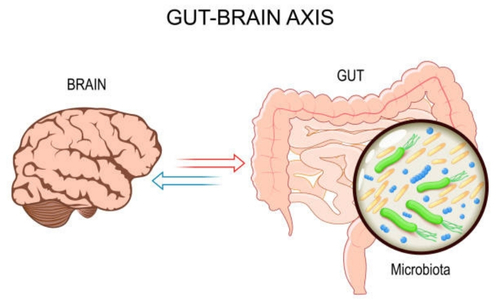
Serotonin is a neurotransmitter that helps keep your mood and emotions stable. The gut makes a lot of it. When the bacteria in your gut are in balance, they make more serotonin, which helps your mental and emotional health.
An imbalance in your digestive system can make you anxious, irritable, and sad. Taking care of your how to improve gut health helps not only your physical digestion but also your mental balance. Mindful eating, managing stress, and having pleasant routines all help this link grow and make everything work better together.
Benefits of a Healthy Gut Over Time
A healthy gut helps keep your energy levels consistent, your digestion working effectively, and your immune system strong. It helps you stay at a healthy weight, lowers inflammation, and helps your body absorb nutrients better. Better gut health also helps with clearer skin, balanced hormones, and better brain function.
It’s not about quick cures when it comes to learning how to improve gut health; it’s about making habits that help the body over time. Making small choices every day adds up to big changes that last, laying the groundwork for lifelong health.
How to Make Your Gut Health Better Every Day
It takes time to how to improve gut health back to normal. It takes time, attention, and consistency. Creating habits that help digestion, such eating mindfully, drinking enough water, reducing stress, and moving around often, leads to long-lasting improvements.
The gut becomes used to these helpful habits over time and starts to work better. You feel better, have more energy, and your overall health gets better. Putting gut health first changes health from the inside out.
Conclusion
People may take charge of their health at its root by learning how to improve gut health. The gut affects almost every system in the body, so it’s a great place to start if you want to get healthier. You may naturally recover and keep your gut health by eating a balanced diet, drinking enough water, managing stress, getting enough sleep, and living mindfully.
You can make your body stronger and healthier by recognizing the link between digestion, immunity, and mental clarity. Gut health is more than just digestion; it’s the key to long-term health and strength.
Read More:- Why MapHigher Is the Best Google Ranking Tool for Yoga Studios