


Introduction
Eating well as a youngster is very important for physical growth, mental development, emotional balance, and health for the rest of your life. Snacks are a big part of what kids eat every day, yet they are sometimes forgotten about or full of too much sugar, salt, and fake substances. It’s not about limiting kids’ snacks; it’s about giving them nutritious options, a diversity of foods, and good food experiences that they can enjoy every day.
Kids need a steady supply of energy all day long so they can stay focused at school, play hard, and relax between meals. Snacks that are well-planned can help keep blood sugar levels stable, stop people from eating too much at meals, and give them important nutrients that they would not get from their major meals. Parents can help their kids develop healthy habits that will continue into adulthood by focusing on balanced snack choices.
This tutorial talks about why snacks are important, how to pick healthy ones, and how to make snack time fun without using processed foods. Parents may confidently give their kids healthy snacks that help them grow and be happy if they know what snacks are for and how to make easy ones at home.
Why Snacks Are a Necessary Part of a Child’s Diet
Kids’ stomachs are smaller than adults’, so they can’t always get enough nutrition from three big meals. Snacks fill the time between meals and provide you energy throughout the day. A healthy snack can help you focus, encourage you to be active, and make you less irritable when you’re hungry.
Snacks are also great times to try new cuisine. Kids might not want to try new foods at meals, but they could be more willing to do so at snack time when there is less pressure. Offering fruits, vegetables, whole grains, and proteins as snacks helps people get used to these foods and makes them more likely to eat them over time.
When you choose your snacks carefully, they help you keep your diet balanced instead of making it worse. This is why it’s just as important to prepare healthy breakfasts, lunches, and dinners for kids as it is to plan healthy snacks.
Knowing What Kids Need to Eat as They Grow
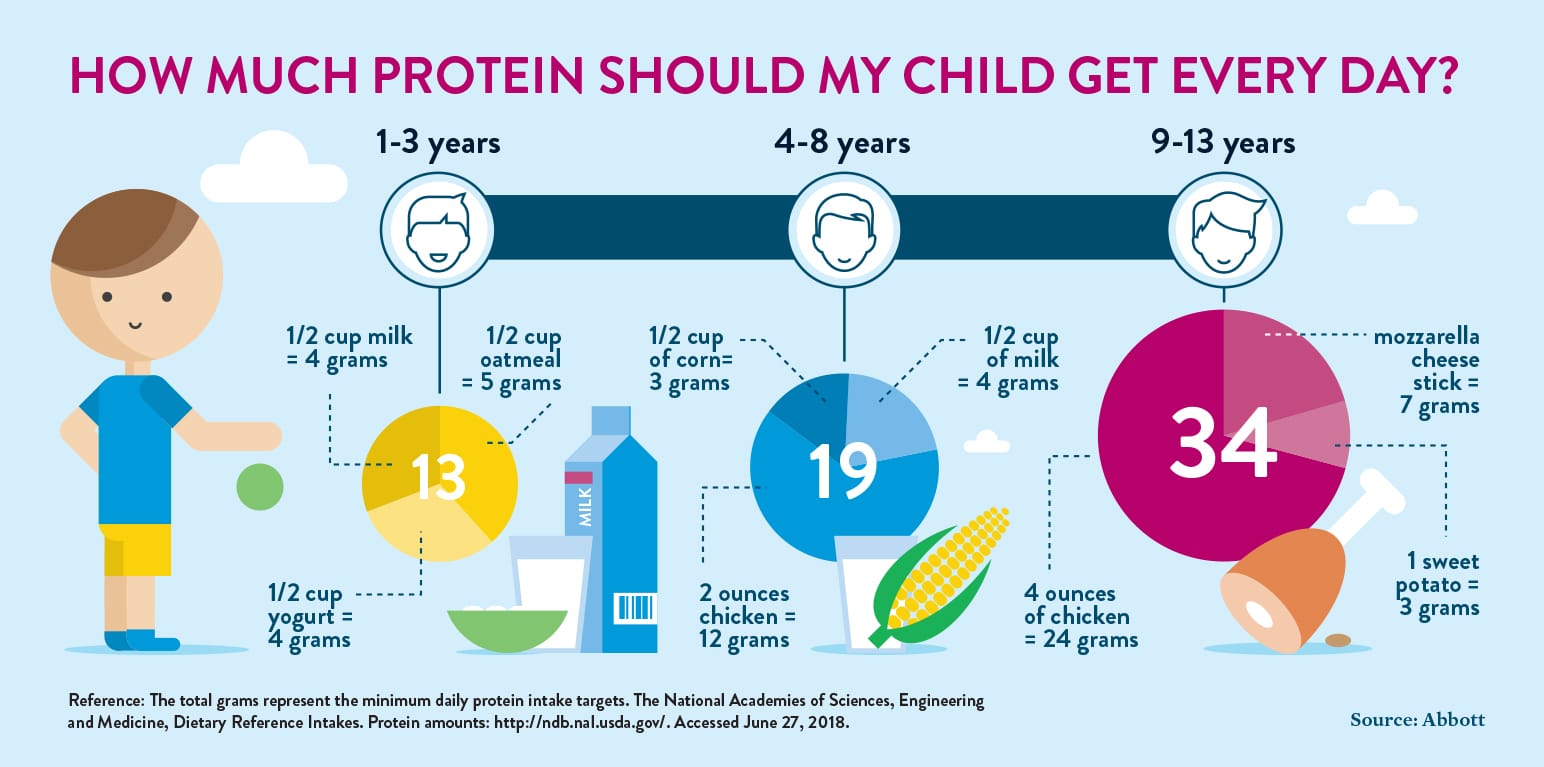
Kids need a lot of different nutrients to help them grow and develop quickly. These contain carbs for energy, protein for building muscle and tissue, healthy fats for brain growth, vitamins for immunity, and minerals for strong teeth and bones. These nutrients should be in snacks as much as possible.
Whole meals like fruits, vegetables, and whole grains give you constant energy since they have carbohydrates. Dairy, beans, almonds, and seeds are all good sources of protein that help kids feel full and grow. Healthy fats from foods like yogurt, almonds, and seeds are important for keeping your brain healthy. When snacks have these things in them, they turn into small meals that give you energy instead of empty calories that make you crash.
A balanced approach makes sure that nutritious snacks for kids add important nutrients to their regular diet instead of just filling them up for a short time.
How Processed Snacks affect Kids’ Health
A lot of packaged foods that are marketed to kids include a lot of added sugars, bad fats, and fake ingredients. They may be easy to get and taste good, but eating them often can cause energy spikes and crashes, trouble concentrating, and weight gain that isn’t healthy.
Too much sugar can cause tooth problems, changes in behavior, and long-term health problems. Snacks that are highly processed also tend to be low in fiber and protein, so kids get hungry again quickly after eating them. This might lead to a loop of munching all the time without getting enough nutrients.
When you give kids healthy snacks instead of processed foods, you cut down on unneeded additives and make the foods more nutrient-dense. Kids can learn to enjoy the natural flavors of entire meals instead of always choosing foods that are too sweet or salty.
Making Snacks that are Balanced and Fill Kids Up
A good snack has the right amount of macronutrients that work together to provide you energy and make you feel full. When you eat carbs with protein or healthy fats, it slows down digestion and keeps you from getting hungry. For instance, fruit with yogurt or whole-grain bread with nut butter gives you more energy than just sweet snacks.
Variety and texture are also important. Kids like snacks that are crunchy, creamy, and chewy because they are more fun and interesting. Not only do colorful meals catch the eye, but they also show that they have a lot of vitamins and antioxidants.
When parents always give their kids healthy snacks, the kids start to learn what foods make them feel good and give them energy. This knowledge helps kids eat mindfully and reminds them how important healthy snacks are in their daily lives.
Getting Kids to Like Healthy Snacks

When kids feel like they are part of the process, they are more likely to appreciate healthy food. Letting them assist pick out fruits at the store, wash vegetables, or put together simple snacks can make kids more interested and willing to try new things. Kids are more likely to try new meals when they feel like they own them.
The way something looks is also important. You may make snacks more enticing by putting them in creative shapes or mixing different colors. Setting a schedule for food helps kids get used to it and stops them from snacking all day.
Positive reinforcement is really important. Instead of making their kids eat certain things, parents can show them how to eat properly and provide them support. Repeated exposure to healthy snacks for kids over time makes them more accustomed and comfortable with them.
Good Snacks for School and Home
Snacks should be easy to carry, eat, and store, especially at school. When you’re at home, you can make fresh choices more easily. School snacks, on the other hand, typically have to last for hours in a lunchbox.
Snacks that are both fresh and useful make sure kids get the nutrition they need no matter where they are. You can make fresh fruits, snacks with dairy, and whole-grain foods work in both places. If you prepare ahead, you may make healthy snacks for kids that are easy to get without losing quality.
Consistency is the most important thing. When healthy snacks are always available, kids instinctively choose them and start to think of snack time as a time to feel good instead of just giving in to their wants.
How Healthy Snacks Help you Learn and Stay Focused
Nutrition has a direct effect on how well you think and act. Snacks that help keep blood sugar levels stable help kids stay focused, learn new things, and deal with their feelings. A child who eats healthy snacks is more likely to pay attention during instruction and activities.
Protein and healthy fats help the brain grow, while complex carbs provide you energy for a long time. Iron, zinc, and omega fatty acids are some of the nutrients that help with memory and focus. Giving kids healthful food before schoolwork or after school can help them think better and feel less tired.
Kids start to get the idea that what they eat affects how they feel when they eat healthy snacks. This knowledge helps them make better decisions as they get older.
Knowing When to Snack and How Much

The time of day is equally as important as what you eat. Snacks should not take the place of meals; they should go with them. Giving people snacks at regular periods can help keep them from being too hungry and eating too much at meals.
The size of the portions should be right for the child’s age and level of activity. If you eat too much of a snack, it can make you not want to eat meals. If you eat too little of a snack, it might not give you enough energy. Watching for signs that a youngster is hungry and changing the portion sizes accordingly helps them have a healthy relationship with food.
Healthy snacks for kids can help with overall nutrition without changing meal patterns if they are eaten at the right time and in the right amounts.
One Easy Table with Examples of Healthy Snacks
Below is a single table with sample snack ideas and their nutritional focus. This will help parents understand balance without giving them too many options.
| Snack Example | Main Nutritional Benefit |
|---|---|
| Fresh fruit with yogurt | Energy, calcium, and protein |
| Whole-grain toast with nut spread | Fiber, healthy fats, and protein |
| Vegetable slices with hummus | Vitamins, minerals, and plant protein |
| Homemade smoothie with fruit and milk | Hydration, vitamins, and calcium |
| Cheese with whole-grain crackers | Protein, calcium, and sustained energy |
This table shows how mixing different food groups can make snacks that are both tasty and good for you.
Changing Snacks for Different Age Groups
Younger kids might choose foods with softer textures and simpler flavors, while older kids might like foods with more diversity and more complicated combinations. Little kids do well with small, easy-to-chew bits, while school-aged kids can handle bigger snacks.
As kids become older, they need more nutrients. Snacks can still meet developmental needs by changing the size of the portions and the amount of nutrients they contain. Keeping nutritious snacks for kids appealing to kids of all ages means listening to what they like and keeping the right balance of nutrients.
Being able to change is vital. Parents can help their kids’ changing tastes and requirements by changing the snacks they give them. What works one year may not work the next.
How to Deal with Picky Eating by Snacking Smart
Children often have picky eaters, which can make it hard to organize snacks. You can help people slowly adopt new foods by giving them both familiar and novel foods. Repeated exposure is important because kids may need to try a new meal multiple times before they like it.
Snacks are a great way to try new flavors in modest amounts. A youngster might not want to eat a vegetable during dinner, but they might be more willing to eat it during snack time when they don’t have to. Over time, being patient and sticking to your guns will help you like more foods.
Parents can employ nutritious snacks for kids to gently expand their kids’ diets if they stay calm and cheerful.
The Importance of Staying Hydrated Along with Snacks

People often forget about hydration when they talk about snacks, yet it’s important for digestion, energy, and focus. Getting kids to drink water with their snacks is good for their health and makes them less likely to drink sugary drinks.
Milk is also a healthy choice because it has calcium and protein. Not drinking sweetened drinks helps you avoid getting too much sugar and keeps you on track with your healthy habits. Adding the right drinks to your snacks fills out the nutritional picture.
Kids who drink enough water and eat nutritious snacks do better physically and mentally all day long.
Making Choices that Last a Lifetime
Kids learn by watching others. When parents eat healthy snacks and talk about healthy foods in a good way, their kids are more likely to do the same. Being consistent fosters trust and familiarity, which makes healthy choices feel natural instead of limiting.
Kids who eat balanced snacks on a regular basis learn to control themselves and be more aware of food over time. They learn how to tell when they’re hungry and when they’re full, and they learn how important it is to feed their bodies.
Parents who make nutritious snacks for their kids a priority are investing in their kids’ long-term health and setting them up for a lifetime of good eating habits.
Conclusion
Snacks are more than just things to eat between meals. They are great chances to feed growing bodies, help with learning, and set habits that will last a lifetime. Snacks that are carefully picked can give you energy, balance, and fun without relying on meals that have been overly processed.
Parents can confidently provide their kids healthy snacks that meet their nutritional needs and taste good with a little planning, creativity, and consistency. Snack time may be an important aspect of a child’s healthy lifestyle if they focus on nutritious foods, balanced mixes, and good experiences.
It’s not about being flawless when you snack healthily; it’s about making progress. Every healthy choice helps build a stronger base for learning, growing, and staying healthy for a long time.
Read More:- Healthy Snacks to Buy for Everyday Nutrition and Smart Eating