


Introduction
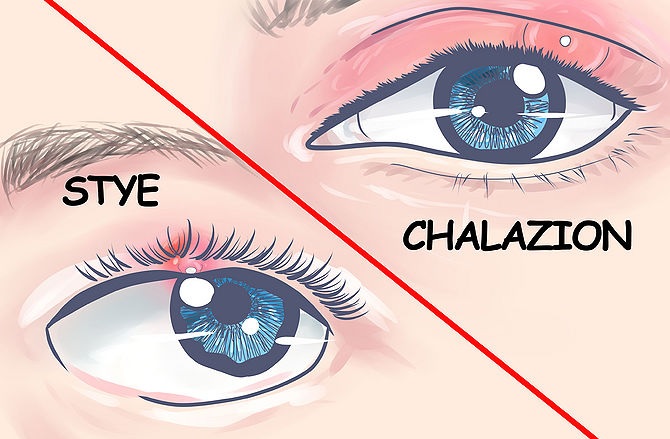
When it comes to eyelid bumps, many people confuse styes with chalazions. Both conditions appear as small lumps on the eyelid, but their causes, symptoms, and treatment approaches differ. Understanding the distinctions between chalazion and stye treatment is essential for effective care. Styes are often caused by bacterial infections of the oil glands at the eyelid base, whereas chalazions develop from blocked oil glands without bacterial infection.
What is a Stye?
A stye is a red, painful bump that forms at the edge of the eyelid, typically caused by a bacterial infection. Styes can appear externally on the eyelid surface or internally within the eyelid. External styes are more visible, while internal styes may cause swelling and discomfort inside the eyelid. Stye treatment at home usually focuses on reducing inflammation and promoting drainage through warm compresses and proper eyelid hygiene. Internal stye treatment may require medical evaluation if the condition persists or worsens.
Learn how stye treatment at home, internal stye care, and OTC stye solutions can relieve eyelid bumps quickly and safely.
What is a Chalazion?
A chalazion is a painless, firm lump that develops on the eyelid due to a blocked oil gland. Unlike styes, chalazions are not caused by bacterial infections and usually do not cause redness or acute pain. Chalazions tend to grow slowly and may persist for weeks or months. Treatment differs from styes, as most chalazions respond to warm compresses, gentle eyelid massage, and, in some cases, minor surgical removal.
Chalazion vs Stye: Key Differences
| Feature | Stye | Chalazion |
|---|---|---|
| Cause | Bacterial infection | Blocked oil gland |
| Pain Level | Painful and tender | Usually painless |
| Onset | Rapid | Gradual |
| Appearance | Red, swollen, often with pus | Firm, non-red lump |
| Treatment | Stye treatment at home, OTC ointments, medical care | Warm compresses, eyelid massage, possible minor surgery |
| Duration | Days to 1 week | Weeks to months |
Understanding these differences is crucial in choosing the right treatment method. Misidentifying a chalazion as a stye could lead to unnecessary antibiotic use or delays in proper care.
Stye Treatment at Home
Stye treatment at home is often effective, especially for mild external styes. Warm compresses are one of the most recommended home remedies for styes. Applying a warm compress to the affected eyelid for 10–15 minutes, 3–4 times daily, can help the stye drain naturally. Maintaining proper eyelid hygiene is also essential; washing hands before touching the eyes, removing makeup before bed, and cleaning eyelids with mild solutions can prevent further infections.
Other stye treatment at home methods include gentle eyelid massage to encourage drainage and using over-the-counter products designed for styes. Home treatment is generally sufficient for small, uncomplicated styes, but persistent or internal styes may require professional intervention.
Effective stye treatment at home includes warm compresses, gentle massage, and eyelid hygiene to promote healing and prevent recurrence.
Internal Stye Treatment
Internal styes occur inside the eyelid and are often more painful than external styes. Internal stye treatment requires careful attention. While warm compresses remain a key part of therapy, persistent internal styes may need medical evaluation. A doctor may prescribe antibiotic ointments or, in rare cases, perform a minor procedure to drain the stye safely.
For internal stye treatment, avoiding squeezing or attempting to drain the stye at home is critical, as this can worsen infection and prolong recovery. Proper eyelid hygiene, avoiding eye rubbing, and following prescribed treatment ensure faster healing.
Internal stye treatment may require OTC ointments or professional care, with home care focusing on warm compresses and proper eyelid hygiene.
OTC Stye Treatment Options
Over-the-counter stye treatment is widely available and can be effective for mild styes. OTC antibiotic ointments, eyelid cleansing solutions, and medicated eye drops can reduce bacterial growth, inflammation, and discomfort. Using OTC stye treatment products alongside warm compresses enhances healing and prevents complications.
When choosing OTC stye treatment, always read labels carefully and follow instructions. If symptoms worsen or persist beyond a week, consult a healthcare professional for further evaluation. Combining OTC stye treatment with home care measures provides the best results for most mild stye cases.
Chalazion vs Stye Treatment Approaches
Treatment approaches for chalazion vs stye differ significantly due to their causes. Stye treatment focuses on infection control and drainage, while chalazion treatment targets blockage relief and inflammation reduction. For chalazions, warm compresses applied several times a day and gentle eyelid massage are usually sufficient. Persistent chalazions may require minor surgical intervention to remove the blockage.
For styes, treatment may include stye treatment at home, OTC ointments, and, in more severe cases, antibiotics or drainage procedures. Understanding the differences between chalazion vs stye treatment ensures proper care and reduces the risk of recurrence or complications.
Prevention Tips for Styes and Chalazions
Preventing styes and chalazions starts with good eyelid hygiene. Regular cleaning of eyelids, removing makeup thoroughly, and avoiding touching eyes with unwashed hands reduces the risk of developing styes. For those prone to chalazions, gentle eyelid massage and warm compresses can help maintain healthy oil gland function.
Additionally, managing underlying conditions like blepharitis or dry eyes can prevent recurrent styes and chalazions. Maintaining overall eye health and adopting preventive measures ensures fewer eyelid infections and faster recovery when they occur.
Conclusion
Understanding the differences between chalazion and stye treatment is vital for effective eyelid care. Stye treatment at home, internal stye treatment, and OTC stye solutions provide options for mild cases, while chalazions require careful monitoring and sometimes minor medical intervention. Proper hygiene, early detection, and appropriate treatment strategies reduce discomfort and promote faster healing. By knowing the key differences between chalazions and styes, individuals can manage eyelid bumps effectively and prevent complications.
Read More:- Stye Treatment Antibiotic Guide: When Medication Is Necessary