


Introduction
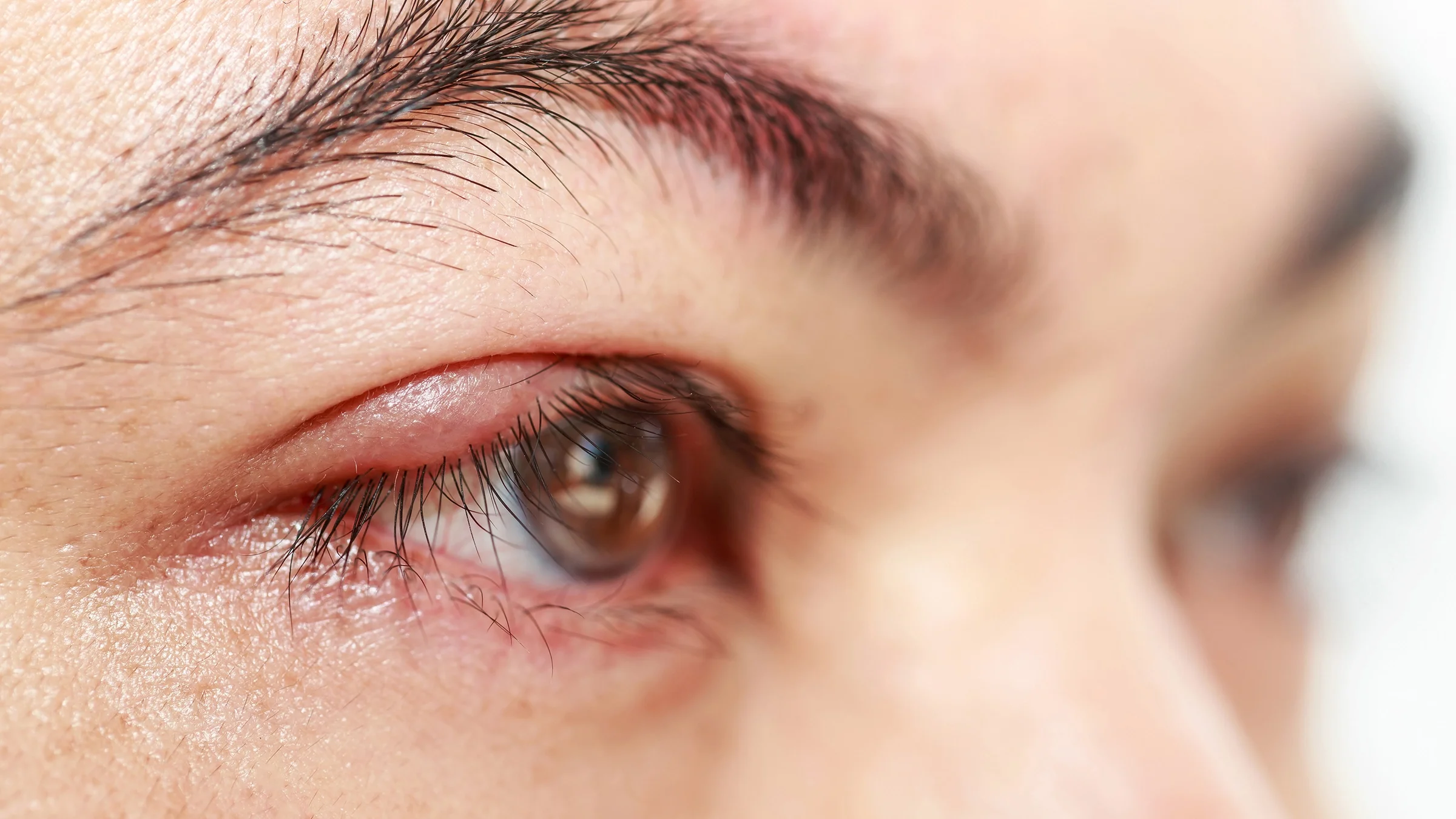
A stye, medically known as a hordeolum, is a small, painful bump that forms along the edge of the eyelid. Styes are typically caused by bacterial infections, most commonly Staphylococcus aureus, affecting the oil glands in the eyelid. People often confuse styes with chalazia, which are non-infectious, but styes are usually red, swollen, and filled with pus.
Proper stye treatment is crucial to avoid complications. While many styes heal on their own, persistent or severe styes may require medical intervention. Understanding the nature of a stye helps in selecting the right eye stye treatment and deciding whether a stye treatment antibiotic is necessary.
Common Causes of Eye Styes
Eye styes can develop due to a variety of reasons. Poor eyelid hygiene, frequent rubbing of the eyes, and the use of expired or contaminated eye makeup are common triggers. Additionally, underlying conditions such as blepharitis, which is inflammation of the eyelids, can increase susceptibility.
Stye treatment often begins at home with simple hygiene practices, but if bacterial infection worsens, eye stye treatment may involve antibiotics. Early recognition of these causes can help in preventing future styes.
Recognizing the Symptoms of an Eye Stye
Early Signs and Warning Symptoms
The first signs of a stye include localized redness, tenderness, and swelling near the eyelid margin. The area may feel warm to the touch, and some individuals experience mild tearing or a gritty sensation in the eye.
Eye stye treatment at this stage often involves warm compresses and gentle eyelid cleaning. Monitoring these early signs ensures timely intervention, potentially avoiding the need for a stye treatment antibiotic.
When a Stye Becomes Severe
A stye may worsen if the infection spreads or fails to drain naturally. Severe symptoms include intense pain, significant swelling, vision impairment, or the appearance of multiple styes. At this stage, consulting an eye doctor is essential, as stye treatment antibiotics or surgical drainage may be required.
Home Remedies for Stye Treatment
Warm Compress Method
Applying a warm compress is one of the most effective home remedies for stye treatment. The heat increases blood circulation, encouraging the stye to drain naturally and relieving pain. It is recommended to apply a clean, warm cloth to the affected eye for 10–15 minutes, three to four times daily.
Gentle Cleaning and Care Tips
Keeping the eyelid clean is vital for stye management. Avoid touching or squeezing the stye, as this can worsen the infection. Washing hands before touching the eyes and using mild, non-irritating cleansers can enhance healing. While these methods may alleviate symptoms, some styes require medical treatment, including eye stye treatment antibiotics.
Stye Treatment with Antibiotics
When Antibiotics Are Necessary
Most styes heal on their own with home care, but certain cases require antibiotics. These include styes that are persistent, large, or accompanied by severe infection. Eye stye treatment antibiotics help reduce bacterial growth, prevent complications, and promote faster recovery.
Indications for stye treatment antibiotics include:
- Infection spreading to other parts of the eyelid
- Multiple styes forming simultaneously
- Chronic styes linked to underlying eyelid conditions
Types of Antibiotic Treatments for Eye Styes
Stye treatment antibiotics come in several forms, including ointments, drops, and oral medications. Commonly prescribed antibiotics include erythromycin, bacitracin, or, in more severe cases, oral antibiotics like doxycycline. Eye doctors determine the type based on infection severity, patient history, and potential allergies.
| Type of Antibiotic | Form | Use Case |
|---|---|---|
| Erythromycin | Ointment | Topical application for small styes |
| Bacitracin | Ointment | Mild to moderate styes |
| Doxycycline | Oral | Severe or recurrent styes |
| Tobramycin | Drops | Secondary infections or conjunctivitis |
Proper Use and Precautions
It is critical to follow the prescribed dosage and application instructions for stye treatment antibiotics. Overuse or incorrect use can lead to resistance or irritation. Avoid sharing medications, and always consult a healthcare provider before starting antibiotics.
Preventing Future Styes
Maintaining Eye Hygiene
Good eyelid hygiene reduces the risk of recurrent styes. Regular cleaning, careful makeup removal, and avoiding rubbing the eyes are essential practices.
Lifestyle Tips to Reduce Risk
Balanced nutrition, adequate sleep, and managing underlying conditions like blepharitis can further prevent stye recurrence. Consistent monitoring and early treatment of minor eyelid irritations also help. Preventive measures are a cornerstone of stye treatment and may reduce the need for antibiotics over time.
When to See a Doctor
Warning Signs That Require Medical Attention
Seek professional help if the stye persists beyond a week, is unusually large, causes vision problems, or is accompanied by fever. Delaying treatment can worsen the infection and may necessitate stronger stye treatment antibiotics or minor surgical procedures.
Professional Treatments Beyond Antibiotics
In some cases, eye doctors may perform an incision and drainage procedure to remove pus from the stye. Steroid injections or advanced therapies may be recommended for recurrent styes. These professional treatments complement home care and antibiotics to ensure full recovery.
Learn effective stye treatment methods, when eye stye treatment requires antibiotics, and how to prevent future styes for healthy, irritation-free eyes.
Eye stye treatment may include home remedies or stye treatment antibiotics. Discover causes, symptoms, and professional care options for fast relief.
Stye treatment antibiotics help treat severe or persistent styes. Learn proper care, prevention tips, and when to consult an eye specialist.
Read More:- TMJ Treatment Solutions: From Therapy to Botox