


Introduction
Yoga has been around for thousands of years and is a complete technique that integrates the body, mind, and inner awareness. Hatha Yoga is one of the most classic and basic types of yoga that people do nowadays. When people first start doing yoga, they often ask the same key question: What is hatha yoga, and why do so many people advocate it for both beginners and experienced practitioners?
Hatha Yoga is more than just a way to work out; it’s a whole discipline that teaches you how to control your breath, find balance, and clear your mind. The word “Hatha” has a lot of symbolic value. It shows how opposites come together in the body and mind. Hatha Yoga balances strength and flexibility, effort and ease, action and rest by using stable postures, attentive breathing, and awareness.
People today frequently think of yoga as a way to get fit and do fast-paced workouts. But the basic goal of Hatha Yoga is still the same: to get the body and mind ready for deeper meditation and self-discovery. Knowing where yoga came from, what its principles are, and what its advantages are lets people experience yoga on a deeper level and connect with its true core.
The History of Hatha Yoga

To comprehend hatha yoga, it is important to investigate its historical origins. Hatha Yoga has its roots in ancient India and is closely related to both yogic and tantric traditions. Classical writings including the Hatha Yoga Pradipika, Gheranda Samhita, and Shiva Samhita mention Hatha Yoga for the first time. These publications talk about breathing techniques, physical postures, cleansing activities, and contemplative methods that are meant to wake up your inner vitality.
In the past, yogis who led disciplined lives centered on self-control and spiritual awakening practiced Hatha Yoga. The physical routines were never designed to be independent from mental and spiritual growth. Instead, people thought of the body as a holy tool that needed to be cleaned and strengthened to help them become more aware.
As time went on, Hatha Yoga changed and grew to fit many cultures and ways of living. In the past, people who practiced Hatha Yoga had to follow precise schedules. Today, however, the focus is on making it easy for everyone to do, regardless of age or fitness ability. Even with these alterations, the primary idea is the same: balance, awareness, and inner peace.
The Meaning and Philosophy of Hatha Yoga
The word “Hatha” comes from two Sanskrit syllables: “Ha,” which means “sun,” and “Tha,” which means “moon.” This is a symbol for the equilibrium between the body’s conflicting energy. The philosophical answer to the question “What is hatha yoga?” is that it is the joining of opposites.
Hatha Yoga says that true health comes from bringing together things that are opposite. This means finding a balance between strength and flexibility, work and rest, and physical activity and mental stillness. The idea tells people to look at their limits without judging them and to move forward slowly.
Hatha Yoga is different from other physical activities that are oriented on competition or performance since it focuses on self-awareness. The practice is centered on the inside, which lets people look at their feelings, breathing patterns, and physical sensations. The mind gets calmer and the body gets stronger without any effort when you practice regularly.
Basic Ideas for Practicing Hatha Yoga
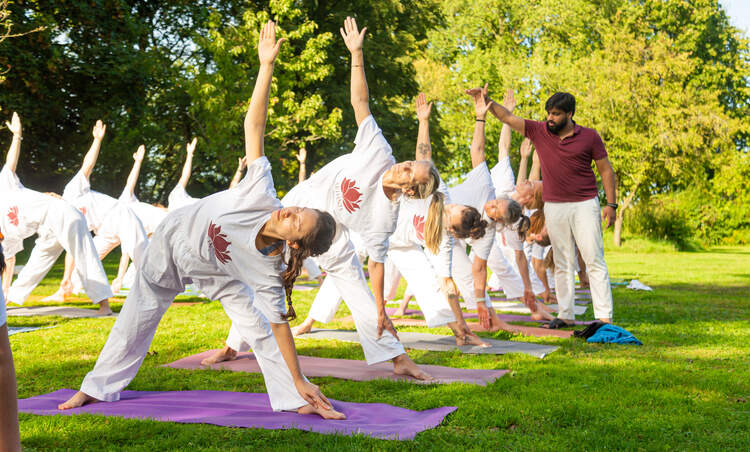
Hatha Yoga is based on a few basic ideas that influence every practice session. These ideas help us understand what hatha yoga is beyond just the physical postures. Mindful movement is one of the most crucial parts. In this practice, each pose is done carefully and with full awareness of breath and alignment.
Another important idea is balance. Hatha Yoga sequences help the body balance its energy systems and muscle groupings. To keep the body in balance, forward bends, backward bends, twists, and resting positions are done in a planned order.
Being conscious of your breath is just as crucial. Hatha Yoga says that the breath connects the body and mind. Conscious breathing relaxes the nervous system and helps people stay focused during the practice.
Postures in Hatha Yoga
Asanas, or physical postures, are a big aspect of Hatha Yoga. These poses are usually held for longer periods of time than in more active yoga techniques. This lets the body get stronger, more flexible, and more stable in a safe way.
When you learn about hatha yoga, you realize that the poses aren’t about getting into strange shapes. They don’t do that; instead, they focus on being comfortable and in the right position. Hatha Yoga is very open-minded because each asana can be changed to fit the needs of each person.
Standing postures help you get stronger and more grounded, seated postures help you become more flexible and conscious of your posture, and supine postures help you relax and keep your spine healthy. These motions work together to make a healthy and long-lasting physical activity.
The Importance of Breathing Techniques in Hatha Yoga
Pranayama, or breathing methods, are very important in Hatha Yoga. Breath control is a way to control the flow of energy and relax the mind. Simple breathing exercises are commonly used with physical postures to help people become more aware.
To understand hatha yoga, you need to know how important it is to breathe slowly and steadily. Hatha Yoga is different from quick breathing techniques since it focuses on calm inhalation and exhalation that help you relax and think clearly.
Over time, doing breathing exercises regularly makes your lungs bigger, helps your heart health, and makes you feel more balanced emotionally. The breath becomes a way to deal with stress and find serenity within.
Hatha Yoga: Good for Your Mind and Emotions

Hatha Yoga is good for your mind and emotions in ways that go beyond your body. The moderate pace and focus on the present moment help people think about themselves and control their emotions. Many people who practice regularly find that their stress levels go down and their focus improves.
People frequently find that hatha yoga is a great way to relax their minds when they try to learn more about it. The practice helps people stay calm when they face problems every day by encouraging a non-reactive mindset.
Letting go of tension in the body helps you find emotional harmony. As muscles relax and breathing deepens, emotional patterns also start to change. Over time, this gives you a sense of inner solidity and self-confidence.
Hatha Yoga and Being Aware of Your Spiritual Side
Hatha Yoga is a popular kind of exercise that many people do for health and fitness, but the spiritual side of it is still an important component of the tradition. The physical and respiratory exercises help the body get ready for meditation by making it less restless and uncomfortable.
To really understand hatha yoga, you need to know how it helps you grow spiritually. Hatha Yoga makes it possible to look inside yourself and find peace. The practice helps people become more aware of the present moment, which is thought to lead to greater knowledge.
You don’t have to believe in anything to be spiritually conscious in Hatha Yoga. It focuses on personal experience and looking inside yourself instead. This makes the practice open to everyone and able to be changed.
How Hatha Yoga is Different from Other Types of Yoga
People often compare Hatha Yoga to more modern kinds of yoga, such Vinyasa or Power Yoga. The main difference is in speed and purpose. Hatha Yoga is usually slower and more planned, with a focus on stability of posture and awareness of breath.
When you question what hatha yoga is compared to other types, it’s evident that it is a basic practice. Hatha Yoga principles are the basis for many advanced yoga systems, but they include rapid transitions and athletic features.
Hatha Yoga focuses on long-term health and sustainability, so it’s good for people who want a balanced and mindful approach instead of a lot of physical activity.
Who Can Do Hatha Yoga
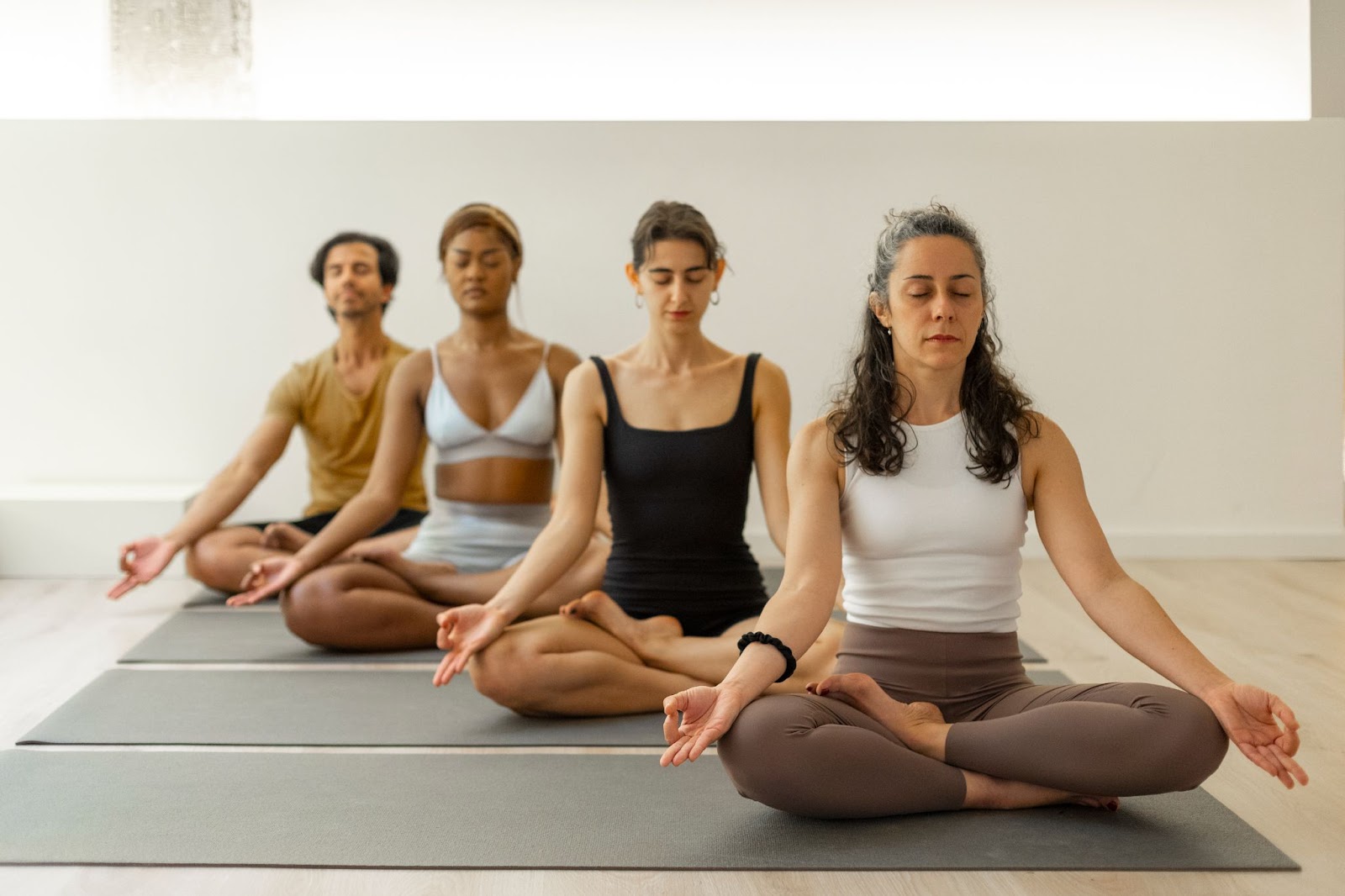
Hatha Yoga is very inclusive, which is one of its best features. People of different ages, fitness levels, and backgrounds can benefit from doing it. You can change your posture to fit your physical constraints and personal demands.
Knowing what hatha yoga is helps get rid of the idea that you need to be flexible or have done yoga before. Hatha Yoga meets people where they are and encourages them to make progress at their own pace.
It is especially good for people who are just starting out, elderly people, or people who are recovering from stress or a lack of activity. With regular practice, you will automatically become more confident in your body and mind.
How Hatha Yoga Can Help You Live a Healthy Life
Hatha Yoga helps your health by encouraging you to be active, handle stress, and live in the moment. Regular practice helps with posture, muscle tone, and joint mobility, and it also helps you learn how to breathe more consciously.
People typically find that the benefits of hatha yoga go beyond the mat when they learn what it is. improved bodily awareness leads to improved movement patterns, and being mentally calm helps you make better decisions.
Hatha Yoga also promotes practices that help you be more aware, such having a balanced schedule, getting enough sleep, and taking care of yourself. These adjustments to your lifestyle will help you feel better in the long run, not just for a short time.
The Importance of Being Consistent When Doing Hatha Yoga
In Hatha Yoga, consistency is more important than intensity. Regular practice, even for short periods of time, helps the body and mind get used to things slowly. This steady way of doing things keeps you from getting hurt and creates strength that lasts.
People who are learning about hatha yoga generally find that improvement is slow and builds with time. With time, patience, and hard work, your flexibility, balance, and mental clarity will get better.
A regular practice builds discipline and self-awareness, which is in line with the idea that Hatha Yoga is a lifelong journey rather than a short-term habit.
In conclusion, understanding the essence of Hatha Yoga
Hatha Yoga is a discipline that has stood the test of time and connects physical health with mental awareness. It balances health by using postures, breathing techniques, and being aware of what you’re doing.
If you want to know what hatha yoga is, the answer is that it is both simple and deep. It is a practice that respects the body, relaxes the mind, and helps you find inner balance without pushing you to get results.
Hatha Yoga is a grounding and healing practice that helps both your body and mind stay healthy in a world that moves quickly. With frequent practice, yoga becomes more than just a workout; it becomes a means to live in tune with yourself.
Read More:- How to Improve Gut Health Naturally for Better Digestion & Immunity